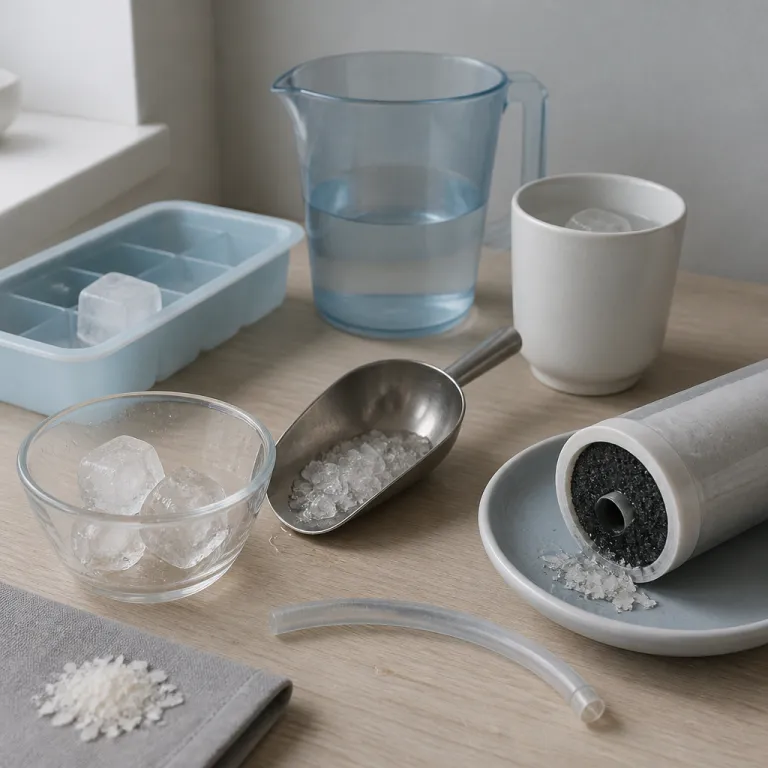
Sign 1 – declining ice production even after thorough maintenance
Every countertop ice maker slows slightly with age, but consistent decline in ice production is the clearest signal that you should plan when to replace ice maker equipment. If your machine once filled the ice bin in about 20 minutes and now needs nearly an hour, even after cleaning the water system and descaling, the internal maker assembly is probably wearing out. At that stage, repeated maker repair attempts usually bring only short term relief.
Start by checking the basics, because smart troubleshooting helps you avoid unnecessary replacement ice purchases. Empty the ice bin, wipe the interior, then run a cleaning cycle with manufacturer approved solution to flush mineral deposits from the water supply path and the water valve. If the ice machine still struggles with making ice after this service, you are no longer dealing with simple maintenance issues but with aging appliance parts.
Next, check the water filter if your ice maker connects to a dedicated line, since a clogged filter restricts water flow and reduces ice production. Replace the water filter cartridge, purge air from the inlet valve, and verify that the household water supply pressure meets the appliance specification. When output remains weak after these steps, the control board, pump, or evaporator plate inside the ice machine may be failing, and the cost of appliance repair can quickly approach the price of a new countertop unit.
Homeowners often ask when to replace ice maker units versus calling a repair technician, especially once the machine is a few years old. As a practical rule, if maker repair estimates exceed half the cost of a comparable replacement ice model, upgrading is usually the better long term choice. Countertop ice makers are compact appliances with sealed maker assembly designs, so complex appliance repair work on the control board or refrigerant circuit rarely delivers strong value.
Sign 2 – ice quality problems that cleaning cannot correct
When your countertop ice maker starts producing cloudy cubes, hollow bullets, or odd shards, you are seeing another strong indicator of when to replace ice maker equipment. Some ice quality issues come from water, so first check the water supply for sediment, taste, and odor before blaming the machine. If you use a refrigerator ice line, inspect the refrigerator water filter and confirm that the refrigerator replacement cartridge is not overdue.
Run several batches and discard the first rounds of maker ice, because stagnant water in the lines can affect taste and clarity. If the ice makers still deliver soft, wet, or misshapen cubes after a full cleaning cycle, mineral scaling on the evaporator or worn insulation inside the appliance may be to blame. At that point, maker assembly wear is affecting how the machine freezes water, and no amount of basic service will restore factory fresh performance.
Pay attention to how quickly the ice melts in drinks, especially if you enjoy refined cocktails or whiskey. If your cubes from the ice maker dissolve much faster than they used to, the internal freezer style compartment may no longer hold temperature consistently, which signals deeper issues with the control board or refrigerant system. For enthusiasts who care about crystal clear spheres or slow melting cubes, upgrading to a higher tier ice machine or even a dedicated copper ice ball maker for refined whiskey can dramatically improve the drinking experience.
Persistent white streaks inside cubes often indicate trapped air from turbulent water flow, sometimes caused by a failing inlet valve or water valve that no longer opens smoothly. When replacing these parts costs nearly as much as a new appliance, it becomes more rational to replace ice equipment entirely rather than chase small maker repair fixes. In my testing, once a countertop machine reaches this stage, buyers are usually happier investing in a modern ice maker with better filtration and more stable ice production.
Sign 3 – rising noise levels and mechanical strain
Noise is an underrated clue for deciding when to replace ice maker units, especially in open plan kitchens and family rooms. A healthy countertop ice maker produces a steady hum during cooling and a brief click when the control board cycles the maker assembly, but it should not rattle, grind, or squeal. When those harsh sounds appear even after cleaning and basic lubrication, internal parts are wearing out.
Start by placing the appliance on a solid, level surface and check that the ice bin, side panels, and water reservoir are seated correctly. Loose panels or a misaligned ice bin can amplify vibration and make the machine sound worse than it is, so this quick check can sometimes help. If the noise persists, the fan motor, pump, or compressor inside the ice machine may be straining, and those components are rarely economical to repair on compact ice makers.
Grinding or ticking noises during making ice cycles often point to worn gears in the maker assembly or ice sweep arm. When these parts slip, the machine may jam, stop mid cycle, or drop uneven loads of maker ice into the bin, which also affects ice production consistency. A repair technician can sometimes replace individual parts, but labor costs quickly add up on small appliances.
For families who entertain often, a loud ice maker can be more than a minor annoyance. If your unit disrupts conversations or wakes light sleepers during late night ice production, that is a practical sign that replacement ice equipment will improve daily life. Before you schedule appliance repair, compare the total cost of service with the price of a quieter, energy efficient model designed for modern open kitchens, and remember that guides on how to create perfect frozen ice cubes for refined home drinks assume a stable, low vibration machine.
Sign 4 – repair costs approaching the price of a new unit
Countertop ice makers sit in a tricky category between disposable gadgets and full scale kitchen appliances, which makes the repair versus replacement decision feel confusing. A key part of judging when to replace ice maker units is comparing the total cost of ownership, including energy use, water consumption, and any appliance repair bills. Once your machine is a few years old, even one major maker repair can equal half the purchase price of a new, more efficient model.
Ask any repair technician for a written estimate that separates parts and labor, because this breakdown helps you evaluate long term value. If the control board, pump, or sealed refrigerant system has failed, the parts alone can be expensive, and labor costs for appliance repair on compact machines are rarely low. When the combined cost approaches 50 to 70 percent of a comparable replacement ice maker, upgrading usually makes better financial sense.
Water efficiency matters as well, especially for households that run the ice machine daily for drinks, school lunches, and entertaining. Older units often use more water per kilogram of ice, wasting both water and energy as the freezer section cycles more frequently to keep up with demand. Newer ice makers typically manage water supply and inlet valve timing more precisely, which reduces waste and improves ice production consistency.
Think about lifestyle changes too, because they influence when to replace ice maker appliances. If your family now hosts large backyard gatherings, a small countertop machine that once felt adequate may constantly run behind, even when it is working perfectly. In that case, it can be smarter to invest in a higher capacity ice machine and use planning tools such as this Fourth of July ice math guide for how much ice you need for 20 to 100 guests at a backyard cookout to size your next appliance correctly.
Sign 5 – your household has outgrown the countertop format
Sometimes the clearest answer to when to replace ice maker equipment has nothing to do with breakdowns and everything to do with how your life has changed. A compact countertop ice maker suits a couple or small family, but once teenagers, frequent guests, or a home bar enter the picture, demand for refrigerator ice and supplemental maker ice can skyrocket. When you find yourself constantly emptying the ice bin, refilling the water reservoir, and still running short, your household has likely outgrown the original machine.
At this stage, consider whether a larger countertop unit, an undercounter ice machine, or a refrigerator replacement with a stronger built in ice maker will serve you better. Undercounter models connect directly to the water supply with a dedicated water valve and inlet valve, which eliminates manual refilling and supports continuous ice production for busy homes. They also integrate more robust maker assembly designs and better insulated freezer compartments, so they handle heavy use more gracefully than small portable ice makers.
When upgrading tiers, think through installation space, drainage needs, and access to appliance service in your area. A more complex ice machine may require occasional professional maker repair, but the convenience of abundant, reliable ice often outweighs those future costs for active households. If you enjoy crafting cocktails with clear cubes, pairing a higher capacity machine with techniques from guides on perfect frozen ice cubes can elevate both everyday drinks and special occasions.
For some buyers, the best path is a two layer strategy that combines a reliable refrigerator ice maker for daily use with a dedicated countertop or undercounter ice machine for parties. This approach spreads wear across appliances, reduces the risk of total ice loss during a breakdown, and makes it easier to schedule appliance repair or replacement without disrupting family routines. Whatever route you choose, use these five signs as a practical checklist to decide when to replace ice maker units and step up to a solution that truly matches your home.
FAQ – when your countertop ice maker is no longer enough
How long should a countertop ice maker typically last before replacement ?
Most countertop ice makers last around three to five years with regular cleaning and proper water filtration. Heavy daily use, hard water, and poor ventilation can shorten that lifespan, especially if the control board or compressor is stressed. When repeated issues appear after a few years, it is reasonable to evaluate when to replace ice maker equipment instead of continuing to repair it.
What should I check before deciding to replace my ice maker ?
Before replacing your ice maker, clean the interior thoroughly, descale the water system, and check the water filter or supply line for restrictions. Confirm that the appliance sits level, the ice bin is correctly positioned, and the inlet valve receives adequate water pressure. If ice production, noise, or quality problems persist after these steps, the underlying parts are likely worn, and replacement becomes the more practical option.
Is it worth hiring a repair technician for a small countertop ice machine ?
Hiring a repair technician can make sense when the machine is relatively new and the problem is limited to simple parts such as a fan, switch, or sensor. Once the estimate includes major components like the control board, compressor, or sealed refrigerant system, the cost often approaches the price of a new appliance. In those cases, most homeowners gain more value by putting that money toward a modern replacement ice maker with better efficiency and capacity.
When should I upgrade from a countertop ice maker to an undercounter model ?
You should consider upgrading to an undercounter ice machine when your household routinely runs out of ice, you entertain large groups, or you are planning a dedicated home bar. Undercounter units connect directly to the water supply, use stronger maker assembly components, and maintain more stable freezer temperatures for continuous ice production. If your current countertop unit runs nonstop yet still cannot keep up, that is a strong sign of when to replace ice maker equipment with a higher tier solution.
Can changing my refrigerator solve my countertop ice maker problems ?
Upgrading to a refrigerator replacement with a high capacity built in ice maker can reduce pressure on your countertop machine by covering everyday needs. Many modern refrigerators offer better refrigerator ice output, improved water filtration, and quieter operation compared with older models. If you are already planning a kitchen refresh, pairing a stronger refrigerator ice system with a right sized countertop or undercounter ice machine can eliminate most ice shortages without relying on constant maker repair.