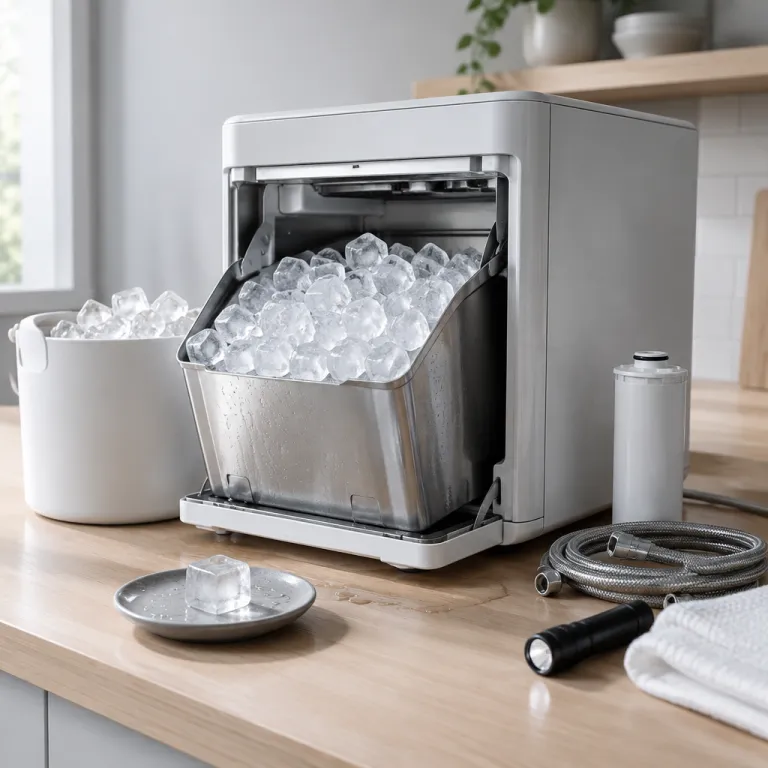
Why refurbished ice makers make sense for small businesses
Refurbished ice maker buying tips matter when your café or food truck budget is tight. A refurbished ice maker or refurbished ice machine lets you test real ice production in your business before committing to a higher priced new unit, while still getting professional level performance if you choose carefully. For many small operators, refurbished ice makers and other used machines produce enough ice cubes for daily service without the upfront cost of a full commercial ice installation.
When you choose a refurbished ice maker, you are buying a machine that has already shown how it handles water, heat and daily use. Some refurbished ice machines come from manufacturer programs where each unit is inspected, repaired with original parts and tested for consistent ice production capacity, while others are simply cleaned and resold by third party refurbishers or restaurant supply outlets. Your job is to consider which seller type, warranty and storage capacity match your expected demand for water ice, nugget ice or bullet ice in real service conditions.
Think about how your business actually uses ice before you choose ice equipment. A coffee bar that needs clear ice cubes for iced lattes will not need the same production capacity in lbs per day as a food truck that sells frozen lemonade and relies on softer nugget ice or bullet ice for fast blending. Refurbished portable ice makers and compact countertop ice machines can be ideal test units, because these smaller machines are easy to move, simple to connect to filtered water and quick to swap out if your ice production needs grow.
For many buyers, the best refurbished model is a stainless steel unit with a modest storage bin that can produce ice steadily through the day. Stainless steel cabinets resist dents better than painted machines and usually clean up well, which matters when customers can see your ice maker behind the counter. If you expect to grow into commercial ice volumes, start with a refurbished countertop ice machine that can produce ice around 20 to 30 kg per day, then plan to upgrade once your reviews and repeat customers confirm stable demand.
Refurbished ice makers are especially useful when you are still refining your menu and drink sizes. You can test how much water and ice each drink uses, then measure how quickly your current unit refills its storage bin and how often staff wait for new ice cubes. These real numbers make later decisions about larger ice machines, higher production capacity and built in storage far more accurate than guessing from a catalog.
Where to find reliable refurbished ice machines
Most practical refurbished ice maker buying tips start with where to shop. Manufacturer refurbishment programs usually offer the safest path, because each ice maker or ice machine is inspected by technicians trained on that exact model, then resold with a shorter but still meaningful warranty. These programs often list refurbished ice makers on the manufacturer website or through authorized restaurant supply partners that also sell new machines.
Large online marketplaces can also be useful when you know how to read reviews and filter for reputable sellers. Programs such as Amazon Renewed group refurbished ice machines and portable ice makers that meet specific testing standards, and you can compare each unit by production capacity in lbs, storage capacity and whether the cabinet is stainless steel or plastic. Always read buyer reviews that mention ice production, water leaks, noise levels and how the machine handles different type ice such as nugget ice, bullet ice or standard ice cubes.
Local restaurant supply outlets and used equipment dealers remain excellent sources for refurbished ice makers and larger commercial ice machines. These businesses often remove ice makers from closing restaurants, then clean, repair and test each unit before resale, which lets you see and hear the machine produce ice on site. When you visit, ask to run a full batch with filtered water, check the bin storage, inspect the water line and confirm that the unit reaches its stated production capacity without unusual sounds.
Some specialty retailers focus on compact countertop ice machines and portable ice units for home and small business use. When you browse their refurbished section, compare each model by daily ice production, storage capacity and whether the maker is designed for continuous duty or only occasional batches. If you want a self cleaning portable ice maker, look for guides such as this roundup of top self cleaning ice makers and then ask whether any of those machines are available as refurbished units.
For higher volume needs, some commercial ice leasing companies also sell retired machines that still have years of life left. These ice machines may not look pristine, but they often have robust compressors, large storage bins and proven production capacity that suits small event businesses. Always consider the cost of delivery, installation and any needed water filtration when comparing a local refurbished unit with an online deal that appears cheaper at first glance.
What refurbished really means and how to read listings
Not every seller uses the word refurbished in the same way, so clear refurbished ice maker buying tips must explain the differences. A manufacturer certified refurbished ice machine has usually been returned, inspected, repaired with original parts, tested for full ice production and then resold with a limited warranty. Third party refurbished machines may receive only basic repairs and cleaning, while some listings labeled refurbished are simply used units that have been wiped down.
When you read a listing for a refurbished ice maker, look for specific language about what was tested and replaced. A trustworthy seller will mention compressor checks, water pump inspection, descaling of the water circuit, sanitizing of the storage bin and verification of production capacity over several hours of continuous use. If the description only says that the unit powers on and makes ice, you should consider that machine closer to a used gamble than a fully refurbished maker.
Pay attention to how the listing describes the model, including whether it is a countertop ice maker, an undercounter ice machine or a larger commercial ice unit. Countertop machines and portable ice makers are often designed for lighter duty, so a refurbished version may be ideal for a home bar but less suitable for a busy café that needs to produce ice all day. Undercounter ice makers and small commercial ice machines are built for heavier production, and a carefully refurbished model can give you reliable water ice output with strong storage capacity at a fraction of the new price.
Listings should clearly state daily ice production in lbs or kilograms, the storage capacity of the bin and the type ice produced, such as nugget ice, bullet ice or classic square ice cubes. If you run a cocktail focused bar, you might also look at a dedicated spherical ice ball maker for premium drinks, using resources like this guide on how to choose the right spherical ice ball maker to complement your main refurbished ice machine. Always match the type ice and production capacity of your refurbished unit to your drink menu, because the wrong ice shape can slow service or water down beverages too quickly.
Warranty terms reveal how confident a seller is in the refurbished ice maker or ice machine. Manufacturer certified units often include parts and labor coverage for several months, while third party refurbishers may offer only a short return window or limited parts support. If a seller offers no warranty at all on a supposedly refurbished unit, treat that listing as a used machine and adjust your price expectations accordingly.
Inspection and testing checklist before you commit
Once you have located a promising refurbished ice maker, your next step is a structured inspection. Start with the exterior of the machine, checking the stainless steel panels or plastic cabinet for dents, corrosion and signs of impact that might have damaged internal components. Light cosmetic wear is normal on refurbished ice makers, but deep rust, bent frames or broken feet suggest the unit was not handled carefully and may not be worth your time.
Open the storage bin and inspect every surface that touches water or ice. The bin liner, door gasket and any internal plastic parts should be clean, free from mold and without strong chemical or musty smells, because these odors can transfer to your ice cubes and water ice. Run your hand along the bin seal to feel for gaps that could let warm air enter, melt ice and force the ice machine to work harder to maintain production capacity.
Connect the unit to a safe water supply, ideally filtered water, and watch the first full cycle. Listen closely to the compressor and fan as the machine begins to produce ice, noting any grinding, rattling or high pitched noises that continue beyond the first few minutes. A healthy ice maker will hum steadily, while a unit with bearing wear or fan problems may sound harsh or change tone as it reaches full load.
Examine the first and second batches of ice cubes or nugget ice for clarity, size consistency and taste. Inconsistent cube size, partially melted bullet ice or cloudy water ice can indicate scaling, poor water flow or refrigeration issues that will reduce long term ice production. If you taste metallic flavors or strong chemical notes in the ice, walk away immediately, because deep contamination in the water circuit or storage bin is difficult and costly to correct.
Check the water line, drain hose and any built in filters for leaks, cracks or amateur repairs. A refurbished ice machine should have secure fittings, intact hoses and no signs of dried mineral deposits around joints, which would suggest previous leaks. If the unit includes a self cleaning cycle or automatic flush, test that function as well, or compare with a modern countertop model that offers advanced cleaning features such as those described in this detailed countertop ice maker test.
When refurbished is a smart move and when to walk away
Refurbished ice maker buying tips only help if you know when to say yes and when to step back. A refurbished countertop ice machine or compact undercounter unit is usually a smart choice when you are launching a small café, testing a food truck concept or running a seasonal event business that needs reliable ice production without a large capital expense. In these cases, a mid range model with stainless steel panels, moderate storage capacity and around 20 to 40 kg of daily production can comfortably produce ice for drinks, smoothies and basic commercial ice needs.
Refurbished machines also shine when you already have a backup plan, such as a secondary portable ice maker or access to bagged ice during peak days. This redundancy lets you choose ice equipment based on long term value rather than panic buying the largest unit available, and it reduces the risk if your refurbished maker ice unit needs repair. Many small operators find that refurbished ice makers produce enough ice cubes for regular service while they gather real sales data and customer reviews to justify a future upgrade.
There are clear red flags that should make you walk away from any refurbished ice machine. Rust inside the storage bin, heavy corrosion on the evaporator plate, strong chemical smells, inconsistent ice size, frequent cycling on and off or excessive noise on startup all point to deeper problems that simple cleaning cannot fix. If the seller cannot show recent service records, cannot state the production capacity in lbs or kilograms, or cannot demonstrate the machine producing stable ice for at least one full cycle, you should consider another unit.
Refurbished does not make sense when the machine lacks current safety certifications, uses discontinued parts or relies on obsolete refrigerants that are difficult to service. In those cases, even a low purchase price can lead to high long term costs, because you may struggle to find technicians or replacement components when the ice maker fails. For high volume venues that depend on continuous commercial ice output, a new machine with full warranty and strong manufacturer support is often the safer investment.
Always balance price, warranty, production capacity and the real condition of the unit before committing. When refurbished ice makers and ice machines are chosen carefully, they can produce ice reliably for years and free up capital for marketing, staff or better coffee beans. When the warning signs pile up, walking away protects your business and keeps your water, ice and customer experience firmly under your control.
FAQ
How much ice production capacity does a small café usually need
Most small cafés operate comfortably with an ice machine that offers around 20 to 40 kg of daily ice production. This range usually covers iced coffee, basic cold drinks and some blended beverages, as long as the storage capacity of the bin matches peak service hours. If you add cocktails or heavy smoothie sales, consider stepping up to a higher capacity unit or adding a secondary portable ice maker.
Is a portable ice maker enough for a food truck
A single portable ice maker can work for a low volume food truck that mainly sells bottled drinks with light ice. For trucks that serve frozen lemonades, smoothies or iced coffees all day, one portable unit often cannot produce ice fast enough to keep up. In that case, combine a higher capacity countertop ice machine with bagged ice backup to handle rush periods.
Should I always use filtered water in a refurbished ice machine
Using filtered water in any refurbished ice maker or ice machine is strongly recommended. Filtration reduces mineral buildup, improves ice clarity and protects internal components such as pumps and evaporator plates from scale. Cleaner water also leads to better tasting ice cubes, which matters when customers judge your drinks by both flavor and appearance.
How long should a refurbished ice maker last
A well refurbished ice maker from a reputable seller can often run reliably for several years in a small business setting. Lifespan depends on original build quality, how heavily the machine is used and whether you follow regular cleaning and descaling schedules. Units with stainless steel cabinets, accessible components and available spare parts are usually easier to maintain and keep in service longer.
What is the main difference between nugget ice and bullet ice
Nugget ice is softer, chewable and absorbs flavors well, which makes it popular for sodas and specialty drinks. Bullet ice is denser, shaped like small cylinders and melts more slowly, so it suits iced coffee and cocktails where you want less dilution. When choosing a refurbished ice machine, match the type ice it produces to your menu and customer preferences.
Sources
Manitowoc Ice official documentation
Hoshizaki America technical guides
Scotsman Ice Systems product manuals