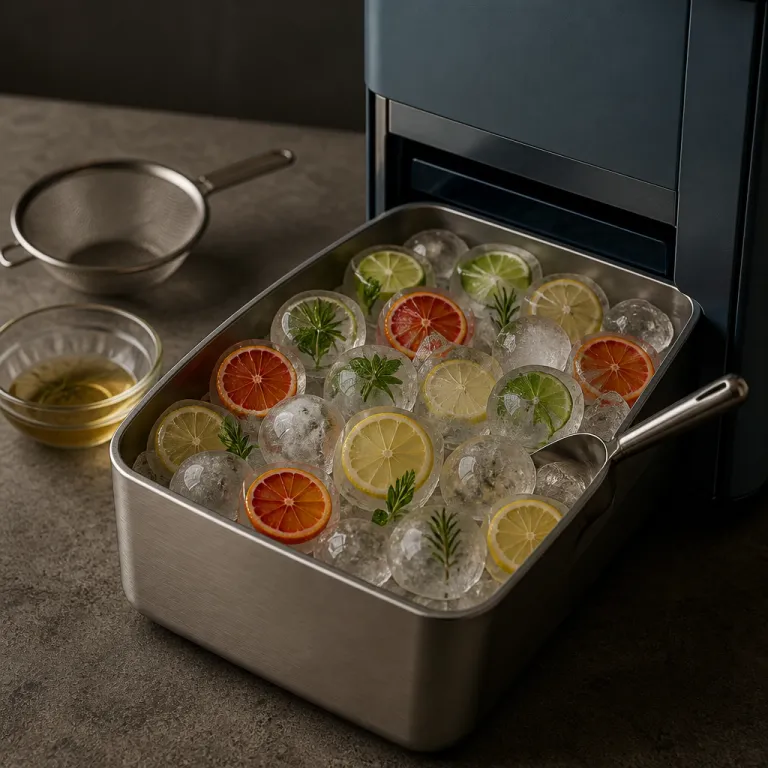
Why flavored ice cubes at home start with the right water
For any ice maker buyer, great flavored ice cubes at home always begin with clean water. When I test machines in the lab, the difference between tap water and filtered water in both plain ice cubes and flavored ice is immediately visible and clearly noticeable in taste. If you want every ice cube in your cocktail or soft drink to stay crystal clear and neutral, start by feeding the ice maker only fresh, cold filtered water from a trusted source.
Modern countertop ice makers are engineered for water freeze cycles using plain water, not thick juice or dairy ingredients. The internal pump, narrow tubing and evaporator plate can handle minerals in water but struggle when users add fruit pulp, pomegranate juice, coconut milk or coffee directly into the reservoir, which often leads to clogging and sticky residue. To protect the machine and still enjoy diy flavored creations, keep the ice maker dedicated to pure or filtered water and move all infused ice experiments to separate cube trays or a silicone ice tray in your freezer.
Think of the machine as your clear ice factory and your freezer as the flavored playground. You can run sparkling water through some models, but I only recommend sparkling water in a separate cube tray because carbonation can confuse water level sensors and affect how the water freeze cycle behaves. By separating plain ice cubes from infused ice cubes in molds, you get reliable frozen solid performance from the machine while still building a full bar of flavored ice cubes at home in your kitchen freezer.
What you should never pour into an ice maker
When buyers ask about flavored ice cubes at home, the first rule I share is simple and non negotiable. Never pour juice, coffee, iced tea, coconut milk, pomegranate juice or any other flavored drink directly into the ice maker reservoir, because these thicker ingredients are not designed for the narrow channels and metal surfaces inside the unit. In testing, even a small amount of orange juice or lemon juice in the tank leaves a sticky film that traps fruit fibers and quickly turns into a hygiene problem.
Any liquid that contains sugar, fat or suspended fruit particles belongs in a cube tray, not inside the machine. That includes cold brew coffee for iced coffee cubes, concentrated tea for iced tea cubes, citrus infused water with lime slices, and even lightly sweetened sparkling water for infused ice cubes that you plan to add to a cocktail or mocktail. If you want flavored ice cubes at home that match your favorite drink, freeze those ingredients in a dedicated ice tray or silicone cube trays, then transfer the frozen solid cubes into the ice maker storage bin only after they are fully set.
Shape also matters when you start mixing plain ice cubes from the machine with flavored ice from molds. Different machines produce bullet ice, nugget ice or crescent cubes, and each ice cube shape melts at a different rate in a drink. If you care about how your cocktail behaves, read a detailed comparison such as the cube shape debate that explains bullet ice versus crescent ice performance before you design your flavored ice program at home.
The mold method: safe flavored ice that respects your machine
The safest way to enjoy flavored ice cubes at home without risking damage is what I call the mold method. You keep the ice maker running only on filtered water for clear, neutral ice cubes, while all flavored ice, infused ice and decorative cubes are created separately in silicone molds or a rigid cube tray in your freezer. Once those flavored cubes are frozen solid after the right freeze hours, you can move them into the ice maker bin for convenient serving during parties.
Start by choosing high quality silicone cube trays or an ice tray that matches the size of your machine cubes, because similar dimensions help the flavored ice melt at a predictable rate in any drink. Fill each cube tray with cooled ingredients such as diluted pomegranate juice, lightly sweetened coffee, citrus infused water with lemon and lime slices, or coconut milk blended with filtered water to reduce fat content and improve how the water freeze process works. Leave enough headspace in each ice cube mold, since both plain water and flavored liquids expand as they freeze, and overfilling can cause tray freeze cracking or oddly shaped cubes.
For the clearest infused ice, boil the water first, let it cool, then combine it with your chosen ingredients before pouring into the cube trays. This simple water prep trick, similar to the guidance used for clearer nugget ice, reduces dissolved gases that cause cloudiness and can be explored in more depth in resources like this guide on getting clearer nugget ice through better water preparation. After the freeze hours are complete and every ice cube is fully frozen solid, pop the flavored cubes out, store them in a labeled freezer bag, and only then transfer a working batch into the ice maker bin for service.
Herb and fruit infused ice for cocktails and sparkling drinks
Herb infused ice is one of the most elegant ways to elevate flavored ice cubes at home without overwhelming the drink. In my tests, sturdy fresh herbs such as rosemary, thyme and mint hold their flavor and structure far better than delicate basil, which tends to darken and lose aroma after long freeze hours in a cube tray. To keep flavors balanced, I recommend using filtered water as the base, then adding a single small sprig of fresh herbs per ice cube rather than packing the ice tray full of leaves.
Fruit infused ice works beautifully for cocktail service, especially when you pair citrus and berries with sparkling water or still water. Thin wheels of lemon, lime or orange sit neatly inside a cube tray, while halved grapes, blueberries or pomegranate arils create striking infused ice cubes that look dramatic in a tall drink. For the clearest fruit cubes, pour cooled filtered water halfway, freeze until slightly set, then add the fruit and top up with more water, which helps suspend the ingredients in the center of the ice cube instead of letting them float to the top.
Cloudiness in fruit cubes often comes from trapped air and fast freezing, not from the fruit itself. Slowing the tray freeze process by using a well insulated container or placing the ice tray toward the back of the freezer can help each cube freeze more evenly and reduce white streaks in your flavored ice. Whether you are building infused ice for a gin cocktail, a non alcoholic drink or simple sparkling water, this attention to water quality and freezing speed keeps both flavor and appearance at a professional bar level.
Coffee, tea and decorative ice: matching cubes to every drink
For coffee lovers, flavored ice cubes at home can completely change how iced coffee tastes over time. Instead of letting plain ice cubes dilute a carefully brewed drink, freeze cooled coffee in a cube tray, then use those coffee cubes in your glass so the flavor stays strong as the ice melts. You can even blend coffee with a little filtered water before the water freeze step to reduce bitterness and help the cubes release more gently into the drink.
Tea fans can apply the same logic to iced tea, using strong brewed tea in an ice tray to create tea cubes that will not water down the drink. For a lighter touch, make infused ice by combining half strength tea with citrus slices, fresh herbs such as mint, or a splash of pomegranate juice, then freeze the mixture in cube trays for at least several freeze hours until every ice cube is frozen solid. These diy flavored cubes work beautifully in both still water and sparkling water, and they are especially effective when you want to add flavor without adding extra sugar to a cocktail or mocktail.
Decorative ice with edible flowers is where social media ready presentation meets practical testing. Always choose food grade edible flowers, rinse them gently, then place them face down in the cube tray before adding filtered water so they appear centered and clearly visible in the finished flavored ice. For outdoor entertaining where you might combine decorative cubes with a built in bar, it is worth reviewing an outdoor kitchen ice maker checklist that covers drainage and weatherproofing to ensure your machine stays reliable while your decorative infused ice steals the show.
Using flavored cubes in the bin and cleaning to protect taste
Once your flavored ice cubes at home are fully frozen in molds, you can safely use the ice maker bin as a serving reservoir. I recommend loading a layer of plain ice cubes from the machine first, then adding a smaller batch of flavored ice or infused ice cubes on top so the flavored cubes stay cold without sticking to the plastic floor of the bin. This layering also keeps strong flavors such as coffee, coconut milk or citrus from sitting directly against the bin surface for long periods.
After any session where you store flavored ice cubes or infused ice in the bin, a careful cleaning protocol protects both taste and hygiene. Empty all remaining cubes, then wash the bin with warm water and a mild, unscented dish soap, rinse thoroughly, and dry completely before returning it to the machine, because residual soap can affect the flavor of future ice cubes. For deeper maintenance, follow the manufacturer instructions for descaling and sanitizing the internal water path with approved cleaners, especially if you have accidentally let juice, pomegranate juice, coffee or other flavored ingredients touch the reservoir or evaporator.
Regular cleaning also prevents flavor transfer between different types of cubes. If you store lemon and lime infused ice one day and coffee cubes the next, microscopic residues can linger on the bin walls and subtly change how plain water ice tastes in a neutral drink. A quick wipe down after each flavored batch, combined with periodic full cleaning, keeps your machine producing clean tasting ice cube after ice cube while your freezer handles the more adventurous diy flavored creations.
Choosing the right ice maker for craft and flavored ice routines
When you plan to build a routine of flavored ice cubes at home, the choice of ice maker matters more than most buyers expect. Look for a model with a removable ice tray or bin, because that makes it much easier to clean after you have stored infused ice, fruit cubes or decorative cubes with edible flowers. A machine that uses a simple gravity drain or built in pump also helps you flush out any accidental flavored residue if someone ever pours juice or coffee into the reservoir by mistake.
Capacity and speed influence how you combine machine made ice cubes with freezer made flavored ice. A compact countertop unit that produces around 12 kilograms of ice per day is usually enough for a household that relies on the freezer for diy flavored cubes, while a larger undercounter machine suits frequent entertainers who want a deep bin of plain ice ready to mix with citrus infused ice, herb cubes or sparkling water friendly flavored ice. Pay attention to the shape of the ice cube as well, because smaller bullet cubes melt faster around fruit and fresh herbs, while larger square cubes from molds hold infused flavors longer in a slow sipping cocktail.
Noise level and ventilation also affect where you can place the machine relative to your flavored ice prep area. A quiet, front venting unit can sit near your bar cart or kitchen counter where you keep cube trays, fresh ingredients and filtered water, making it easy to move frozen solid flavored cubes from the freezer into the bin just before guests arrive. By matching machine features to your infused ice habits, you create a system where plain water freeze cycles stay reliable and every flavored ice cube you add to a drink feels intentional and controlled.
Key figures about flavored and infused ice habits
- According to the National Coffee Association, more than 60 percent of coffee drinkers report consuming iced coffee at least occasionally, which makes coffee ice cubes a practical way to prevent dilution in a large share of home beverages.
- Consumer surveys from the Distilled Spirits Council indicate that over 40 percent of cocktail enthusiasts now pay attention to ice quality and shape, supporting the trend toward specialized cube trays and infused ice for home bars.
- Water quality studies from the Environmental Protection Agency show that municipal tap water can contain varying levels of minerals and disinfectants, which is why using filtered water often improves both clarity and flavor in ice cubes.
- Food safety guidance from the United States Department of Agriculture recommends cleaning and sanitizing food contact surfaces regularly, a principle that applies directly to ice maker bins after storing flavored ice or infused ice cubes.
FAQ about flavored and infused ice in home ice makers
Can I put juice or coffee directly into my ice maker
No, you should not pour juice, coffee, iced tea or any other flavored drink into the ice maker reservoir, because sugars and particles can clog the pump, coat the evaporator and create sanitation issues that are difficult to remove.
How do I safely use flavored ice cubes with my machine
Freeze all flavored ice, infused ice and decorative cubes in separate silicone molds or a cube tray in your freezer, then transfer only the fully frozen solid cubes into the ice maker bin for serving, keeping the machine itself dedicated to plain filtered water.
Which herbs and fruits work best for infused ice cubes
Sturdy fresh herbs such as rosemary, thyme and mint hold their flavor and color well, while citrus slices, berries and pomegranate arils create attractive fruit infused cubes that pair nicely with sparkling water, cocktails and non alcoholic drinks.
How often should I clean the ice maker if I store flavored cubes in the bin
Any time you store flavored ice cubes or infused ice in the bin, you should wash, rinse and dry the bin afterward, and then follow the manufacturer schedule for deeper internal cleaning to prevent flavor transfer and maintain ice quality.
Will flavored ice cubes affect the taste of plain ice from the machine
If you clean the bin regularly and keep the reservoir filled only with plain filtered water, any flavor transfer from stored flavored cubes will be minimal, but neglecting cleaning can leave residues that subtly change the taste of later batches of plain ice cubes.
References
- National Coffee Association – National Coffee Data Trends
- Environmental Protection Agency – Drinking Water Regulations and Contaminants
- United States Department of Agriculture – Food Safety and Inspection Service guidelines