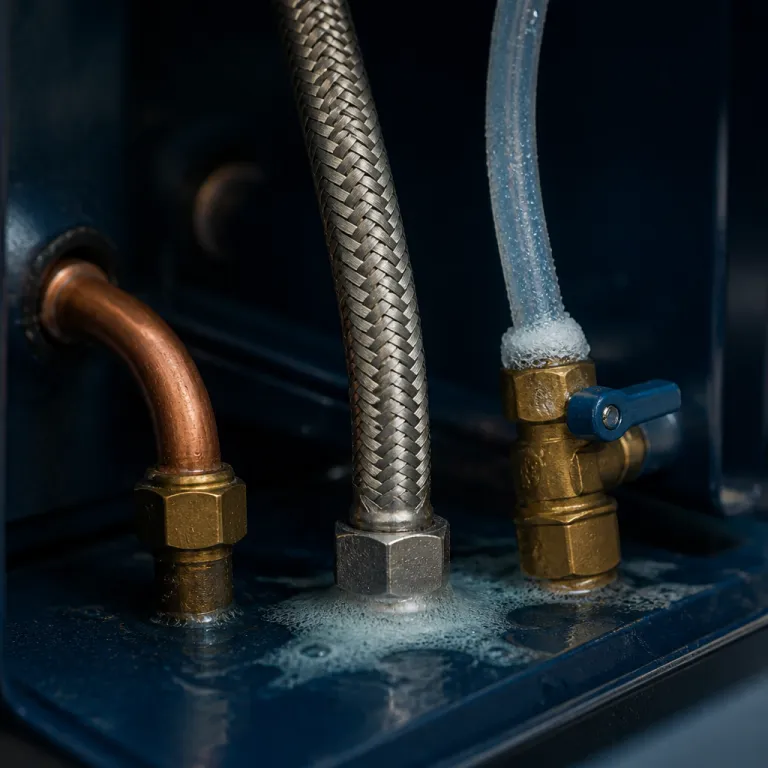
Why ice maker water line installation should come before the appliance choice
Most buyers fall in love with an ice maker before checking the water supply and drain options. For a reliable ice maker water line installation, you should first map every possible cold water feed and drainage route around your bar area, then match the appliance to that reality rather than forcing the plumbing to follow the fridge or cabinet layout. This simple change in order protects you from noisy pumps, awkward tubing runs, and expensive appliance repair later.
Start by locating the nearest cold water line and any existing refrigerator water connection. Measure the distance from that supply line to the planned ice maker position, then sketch how the water line and drain will travel without sharp bends that could crush tubing or stress fittings. This planning step will help you decide whether you can install water lines cleanly in the wall, route tubing through cabinets, or if you should instead choose a tank based ice maker that does not need a fixed connection.
Next, check your home water pressure before any line installation work. Most refrigerator ice makers and dedicated units from major brands such as Whirlpool, GE, and Bosch list a typical operating range of about 20 to 120 psi (roughly 1.4 to 8.3 bar) at the water inlet valve, and long runs of small tubing can drop pressure enough to slow ice production or starve a water dispenser in the same fridge. If pressure is marginal, installing water filters, extra shut off valves, or long copper tubing runs without a plan can turn water flow into a trickle and make every ice maker repair harder.
Three connection types: from portable freedom to fully plumbed lines
Tank only ice makers avoid any water line entirely and suit renters, small bars, or temporary setups. These portable appliance designs rely on you to turn water refills into a habit, but they remove the need to connect water tubing, open a supply line, or contact a plumber for installation or repair. Pairing a tank based ice maker with a separate filtered water pitcher keeps ice tasting clean without touching the refrigerator water supply or any hidden plumbing at all.
The second option is a saddle valve clamped onto an existing copper tubing supply, typically 10 to 15 millimetres (3/8 to 1/2 inch). This method lets you tap refrigerator water or another cold line quickly, but the tiny puncture and rubber grommet inside the valve age, harden, and often leak within a couple of years, which is why many appliance repair technicians refuse to warrant saddle valve work. If you already have a saddle valve feeding a fridge or ice maker, check the connection regularly, flush tubing after any plumbing repair, and plan to upgrade to a proper tee fitting and shut off valve when you next remodel your bar.
The best long term choice is a dedicated 6 millimetre (roughly 1/4 inch) ice maker supply line with its own shut off valve. This approach uses either annealed copper tubing or high quality braided plastic tubing, run from a main water supply line to a recessed box behind the fridge or under counter ice maker, then finished with a quarter turn ball valve for easy service. It costs more in parts and labour than a saddle valve, but it gives you safer ice maker water line installation, cleaner routing, and a clear path to perfect frozen ice cubes for refined home drinks from a well fed machine.
Pressure, distance, and drains: the hidden limits on where your unit can live
Water pressure and distance quietly decide whether your dream location works. Every metre of small diameter tubing between the main water supply and the ice maker water valve adds friction loss, and every elbow in the plumbing path steals a little more pressure that your appliance needs to push water into the freezing tray. When you combine long runs, restrictive valves, and inline filters, you can end up with weak refrigerator ice production or a slow under counter maker that never fills its bin.
To keep performance strong, plan the water line route as straight and short as possible. Use gentle sweeps instead of tight bends in the tubing, avoid stacking multiple small valves on the same supply line, and check that any shared refrigerator water dispenser still has enough flow after installing water filters for the new unit. If pressure at the ice maker drops below the manufacturer’s recommended range, you may see hollow cubes, noisy fill cycles, or repeated appliance repair calls that trace back to the original line installation choices.
Drainage matters just as much as the incoming water supply. Gravity drained ice makers need their drain line to slope continuously down to a standpipe or floor drain, typically at about 6 millimetres per 300 millimetres (1/4 inch per foot), so the distance and height difference between the appliance and the drain can rule out certain cabinet locations even if the water line looks easy. Pump drained models add cost and more moving parts, but they free you to install water and drain lines almost anywhere in the room, which can help you place the unit where it best complements your home bar layout and your chosen ice cuber that elevates every drink at home.
Filters, flushing, and taste: getting bar quality ice from your line
Once the basic water line is planned, think about taste. A good ice maker water line installation does more than connect water; it stages filtration so that sediment and chlorine never reach the freezing tray, protecting both the appliance parts and the flavour of your ice. Poorly filtered refrigerator water can leave films inside tubing, clog a water valve, and force you to flush tubing repeatedly after every minor repair.
The most reliable setup uses two stages of filtration on the supply line. First, a sediment pre filter near the main water supply catches rust and grit before they enter the refrigerator and ice maker feed, then a finer carbon filter closer to the ice maker polishes taste and odour without loading up on debris too quickly. This arrangement keeps the water dispenser in a nearby fridge flowing freely, reduces scale on internal parts, and makes every flush of the system faster because less dirt reaches the final filter or the appliance itself.
Whenever you finish installing water lines or replace filters, you must flush the system. Open the quarter turn water valve slowly, run several litres through the water line into a bucket, and check for air, cloudiness, or loose carbon before letting the ice maker start freezing. If you want even clearer nugget ice from the same supply, you can follow a dedicated water preparation routine that focuses on mineral balance and pre chilling, as explained in this guide to clearer nugget ice and the water prep trick most owners skip.
Costs, shortcuts for renters, and troubleshooting common line problems
Budgeting for the water line is part of buying the appliance. A proper ice maker water line installation with dedicated 6 millimetre (1/4 inch) copper tubing or high grade plastic tubing, a recessed box, a shut off water valve, and staged filters typically costs between 120 and 200 euros in parts in many European cities, plus a half day of labour if you need to open walls or cabinets. Local plumbing codes, permit rules, and labour rates vary widely by region, so always confirm typical pricing and any licence requirements where you live, because that small investment often decides whether you enjoy silent, reliable operation or constant contact with appliance repair services.
Renters or those unwilling to open walls can still enjoy excellent ice. Choose a portable ice maker with an internal reservoir, keep a filtered water pitcher on the counter, and position the appliance near a sink so you can easily turn water refills into part of your bar routine without touching any fixed supply line. This setup avoids any permanent line installation, and if the unit ever needs repair you simply email or call support without involving a landlord or plumber.
When problems arise, start troubleshooting at the line, not the machine. Check that the main water supply is open, verify the quarter turn water valve feeding the ice maker has not been bumped closed, and inspect the water line for kinks, crushed sections, or frozen spots behind a fridge pushed too tight against the wall. If the appliance still struggles after you flush tubing and confirm good flow, it may be time to contact a qualified technician who understands both refrigerator ice systems and dedicated ice maker plumbing, because many so called machine failures trace back to overlooked water line issues.
FAQ
Do I really need a dedicated water line for my ice maker ?
A dedicated water line is strongly recommended for any built in or under counter ice maker installation. It provides a stable water supply, a clear shut off point, and better protection against leaks than a saddle valve tapped into an existing pipe. Portable tank based units are the only realistic exception, because they do not connect directly to your plumbing.
How far can my ice maker be from the water source ?
Most residential ice makers work best when the water line run stays under 7 to 10 metres. Longer runs are possible, but every extra metre and every elbow reduces pressure at the water valve, which can slow production or create small, hollow cubes. If you must run a longer line, use larger diameter tubing where possible and keep the route as straight as the room allows.
Is a saddle valve safe for feeding an ice maker ?
A saddle valve is legal in some regions but rarely the best choice for an ice maker. The design pierces the copper pipe and relies on a small rubber seal that can harden and leak after a few years, especially on older plumbing. A proper tee fitting and a quarter turn shut off valve offer a more durable and serviceable connection for long term use.
How often should I flush the water line to my ice maker ?
You should flush the water line whenever you install a new ice maker, replace filters, or return from a long absence. Running several litres through the line clears air, loose carbon, and any sediment that settled while the appliance was idle. Regular flushing also helps maintain taste and reduces the risk of debris clogging the internal valve or fill tube.
Can I share the water line between my refrigerator and a new ice maker ?
Sharing a water line between a refrigerator and a separate ice maker is possible, but only if the original supply has enough pressure and flow. The safest method is to tee off a suitably sized main line, then give each appliance its own shut off valve and, ideally, its own final filter. If the shared line is too small or already marginal, adding another appliance can weaken both the refrigerator dispenser and the new ice maker.