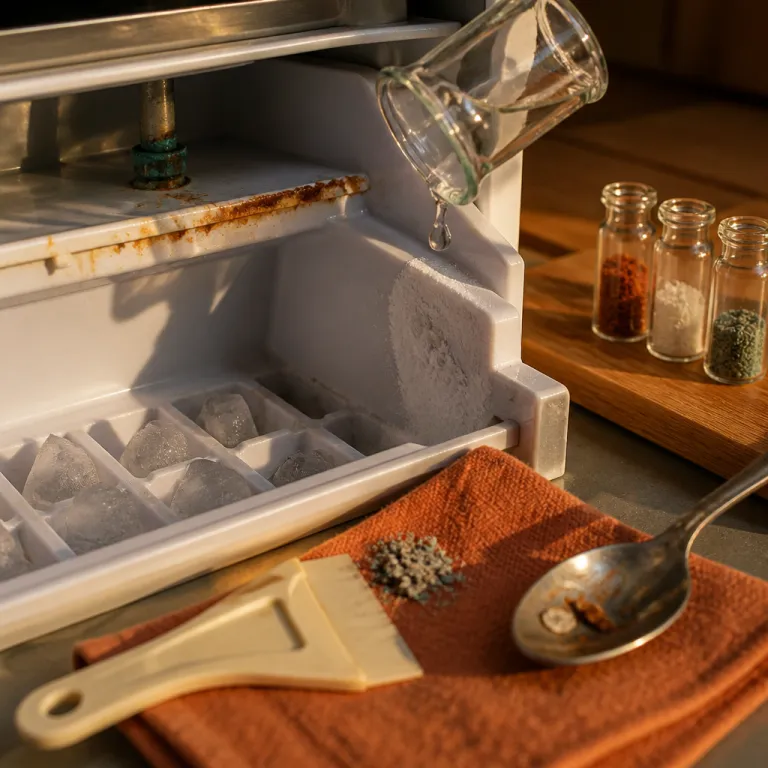
Why mineral stains inside an ice maker matter for your family
Those pale streaks and rings inside an ice maker are early warning lights. When you understand what each mineral stain means, you can plan ice maker limescale removal before ice production drops or parts fail. Clean ice is not just prettier in a glass, it protects the machine and gives your family better tasting drinks.
Every ice machine turns water into ice by running a controlled freezing cycle over metal surfaces inside the cabinet. As the water freezes, any dissolved mineral content stays behind, so limescale and other deposits slowly build on the evaporator, the water pan and the drain path over time. If you ignore this mineral buildup, the machine will run longer, waste warm water during defrost, and eventually struggle to release cubes or nugget ice properly.
Home ice makers and larger ice machines both need regular cleaning and descaling, especially in regions with hard water. A good cleaning solution and a compatible machine cleaner help remove limescale before it hardens into a thick crust inside the water pan and around the drain cap. With a simple cleaning cycle and a habit to wipe interior surfaces, you keep tasting ice fresh and extend the life of the maker.
White and chalky stains: classic limescale and what they predict
White or chalky stains inside an ice maker almost always point to calcium carbonate limescale. When your water hardness rises above roughly 120 parts per million, each ice production cycle leaves a thin mineral film on the evaporator plate, the reservoir wall and sometimes the underside of the ice bin lid. Over time those stains thicken, and the machine will need more frequent ice maker limescale removal to stay efficient.
On most countertop ice models, the first place you see limescale is the water pan and the corners where warm water pools after a cleaning cycle. Built in ice machines often show white crust along the drain and around the drain cap, where slow drips allow mineral deposits to dry into a hard ring. If you notice chalky residue on the inside of the ice chute or on nugget ice itself, your filter is likely saturated and no longer reducing mineral content effectively.
To restore clean ice, start with a dedicated descaling solution or a measured mix of food safe vinegar and warm water. Run a full cleaning cycle with the cleaning solution, then drain completely and rinse the machine with fresh water until no cleaner smell remains. For buyers who care about crystal clear cubes, pairing this routine with guidance on how to achieve clean ice at home helps keep both appearance and taste at a high standard.
Reddish brown stains: iron, aging pipes and filtration gaps
Reddish brown stains inside an ice machine usually signal iron oxide from well water or corroding household pipes. These stains often appear as streaks running down the inside reservoir wall, or as a rusty halo in the water pan where water sits between cycles. When iron particles settle in the bottom of the pan, they can be pulled into the next ice production cycle and end up trapped inside cubes.
Iron rich water does not always change the taste of tasting ice immediately, but it can stain plastic parts and shorten the life of machine cleaner components. If you see brown residue around the drain or under the drain cap, your cleaning routine is not fully flushing the system, and iron is concentrating in low flow areas over time. For many buyers on private wells, a reading above about 0.3 parts per million of iron means you need targeted filtration, not just basic carbon filters designed mainly for chlorine.
Ice maker limescale removal alone will not remove all iron staining, so combine descaling with a gentle abrasive pad and a fresh cleaning solution. A mix of white vinegar and warm water helps loosen both mineral buildup and light rust film without damaging most food grade plastics, similar to how you might follow guidance on using vinegar to clean a coffee maker for better taste. Once the inside surfaces are clean, schedule a water test through your municipal lab or a paid kit, then choose a filter rated for iron reduction to protect both ice makers and other kitchen machines.
Pink and orange rings: biofilm, humidity and cleaning habits
A pink or orange ring inside the water pan is usually a biofilm formed by airborne bacteria such as Serratia marcescens. This organism thrives where water, mineral residue and warmth meet, so it often appears along the waterline inside the reservoir or on the underside of the ice bin lid where condensation collects. While it looks alarming, it usually reflects humidity and cleaning gaps more than a direct problem with the incoming water itself.
In ice machines, this biofilm can trap limescale and other mineral particles, making ice maker limescale removal more difficult if you wait too long. You might notice that cleaning ice becomes harder, because the film resists a quick rinse and needs a full cleaning cycle with a proper cleaning solution. If you see pink streaks inside several ice makers in the same home, it suggests the room stays humid and the machines are left closed for long periods between uses.
The best response is a thorough cleaning routine that combines mechanical action and chemistry, not just a quick splash of water. Empty the reservoir, remove any detachable water pan, then wipe interior surfaces with a soft cloth soaked in warm water and an approved machine cleaner before running a full cleaning cycle. Once the machine is clean, leave the lid open to dry when the maker is off, because a dry interior will resist both biofilm and future mineral buildup.
From stain diagnosis to prevention: protecting your next ice maker purchase
Reading the stains inside your current ice machine helps you choose smarter protection for your next maker. If you see heavy white limescale, your priority is a hardness treatment or a more capable filter, because hardness above about 120 parts per million will keep feeding mineral buildup. When reddish brown streaks dominate, invest in iron rated filtration before you upgrade ice machines, or the new model will inherit the same staining pattern.
For many households, a simple visual checklist keeps maintenance realistic in a busy kitchen. Once a month, remove the drain cap, empty the water pan and inspect the inside surfaces for white, brown or pink marks, then schedule ice maker limescale removal if you see any change from the previous check. Twice a year, run a full descaling cycle with a food safe cleaner, flush with clean water, and confirm that tasting ice returns to a neutral, better tasting profile.
Water chemistry is shifting in many regions, especially where drought and new treatment practices change hardness and mineral content. If you live in an area with tighter water restrictions or notice faster scaling on other appliances, it is worth reading about how changing tap water affects filter cycles and ice production. A modest investment in testing, filtration and regular cleaning will protect both compact countertop ice makers and larger built in machines, keeping clean ice on hand for your family without surprise breakdowns.
Practical cleaning routine for reliable ice maker limescale removal
A consistent routine turns stain diagnosis into long term protection for your ice maker. Start by unplugging the machine, emptying all ice and draining any remaining water through the drain or drain cap into a bowl or sink. Remove the water pan and any removable parts, then wash them in warm water with mild detergent before you begin descaling inside the cabinet.
Mix a manufacturer approved cleaning solution or a measured ratio of white vinegar and warm water, then pour it into the reservoir up to the fill line. Run a dedicated cleaning cycle if your machine offers one, or a standard ice production cycle that circulates the solution through the pump, lines and evaporator plate. When the cycle ends, drain completely, rinse with fresh water several times, and wipe interior surfaces with a soft cloth to remove any loosened limescale or mineral residue.
For stubborn mineral buildup, repeat the process with a stronger machine cleaner concentration recommended by the brand, focusing on areas where ice forms or water sits between cycles. Always wipe interior corners, the underside of the lid and the edges of the ice bin, because these zones often hide early stains that predict future problems. With this routine, your ice machines will produce clean ice more reliably, your nugget ice will stay free of off flavors, and your family will enjoy better tasting drinks from a maker that runs efficiently for many years.
FAQ
How often should I descale my home ice maker ?
Most home ice makers benefit from descaling every three to six months, depending on water hardness and usage. If you see white limescale on the reservoir wall or water pan sooner, shorten the interval to protect ice production. Heavy users with hard water should plan a full cleaning cycle with a descaling solution at least four times per year.
Can I use vinegar for ice maker limescale removal safely ?
Food grade white vinegar diluted with warm water is safe for many ice machines, but you must follow the manufacturer’s instructions. Use a measured ratio, run a complete cleaning cycle, then rinse thoroughly with clean water until no vinegar smell remains. If your manual forbids vinegar, choose a branded machine cleaner designed for that maker instead.
What does a pink ring in my ice maker reservoir mean ?
A pink or orange ring usually indicates a biofilm such as Serratia marcescens growing where moisture and mineral residue stay on the surface. It reflects humidity and cleaning gaps more than a direct issue with the incoming water. A thorough cleaning with an approved cleaning solution, followed by drying the inside between uses, will usually remove and prevent this stain.
When should I get my water tested for my ice machine ?
If you see rapid limescale buildup, reddish brown iron stains or recurring pink biofilm, a water test is a smart next step. Municipal customers can often request basic hardness and iron testing at low or no cost, while well owners may need a paid kit. Use the results to choose filtration that matches your water chemistry and protects both ice makers and other kitchen appliances.
Why does my ice taste bad even after cleaning the machine ?
Off flavors in tasting ice after cleaning usually come from saturated filters, lingering cleaner residue or strong odors in the freezer or kitchen air. Replace the filter, flush the system with clean water and ensure you fully drained any cleaning solution from the inside. If the problem persists, check for hard water issues or iron content that may require upgraded filtration to achieve consistently clean ice.