Design, footprint, and build quality of nugget ice machines
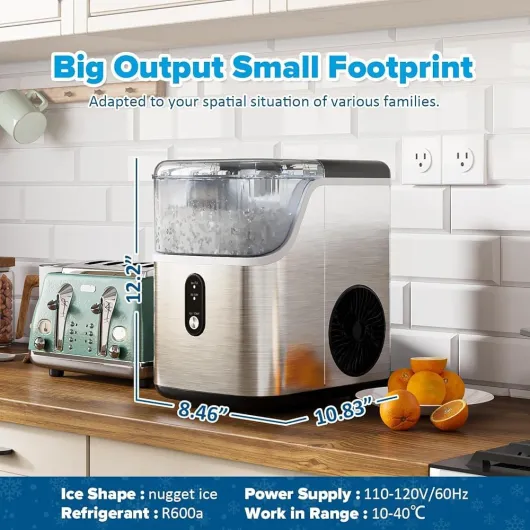
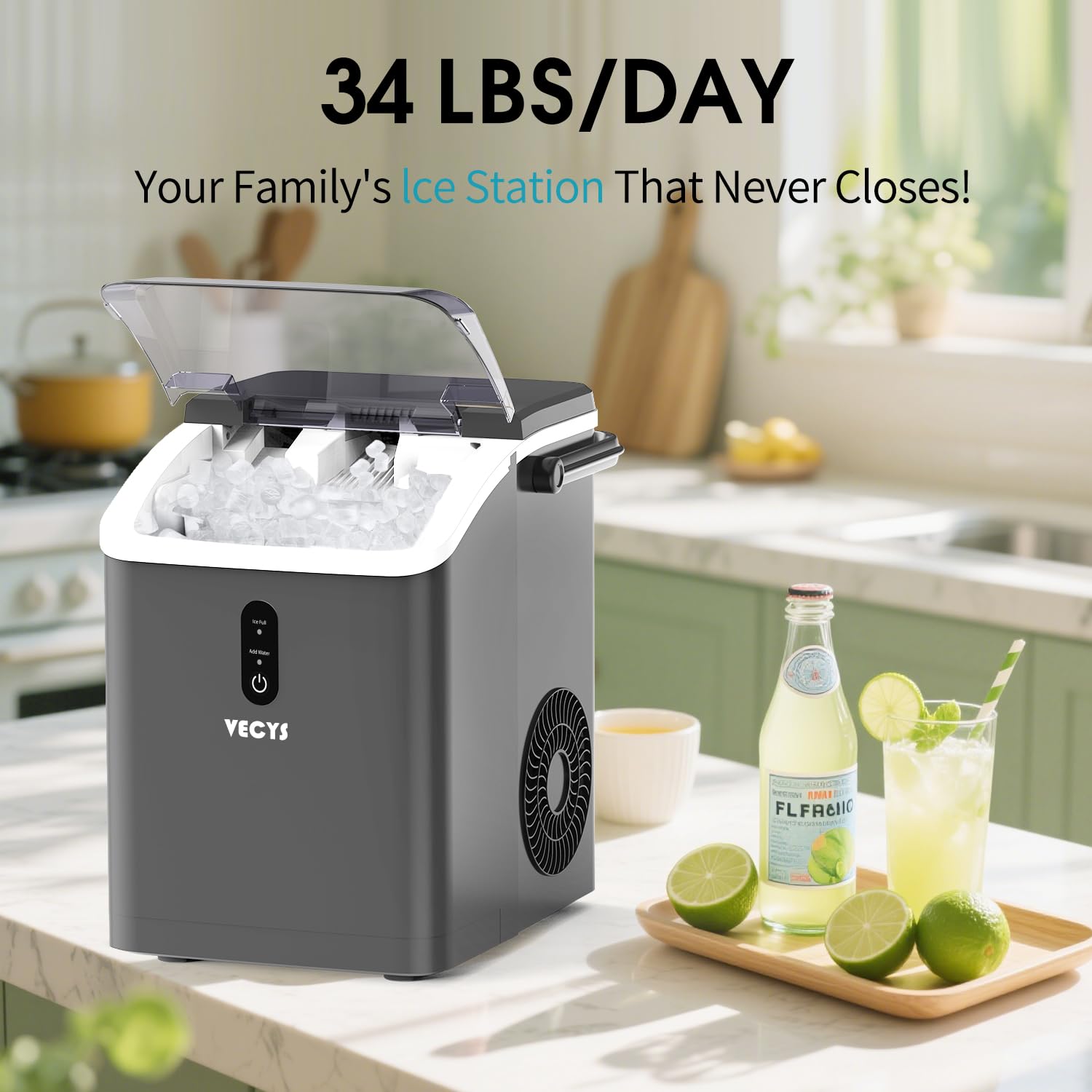
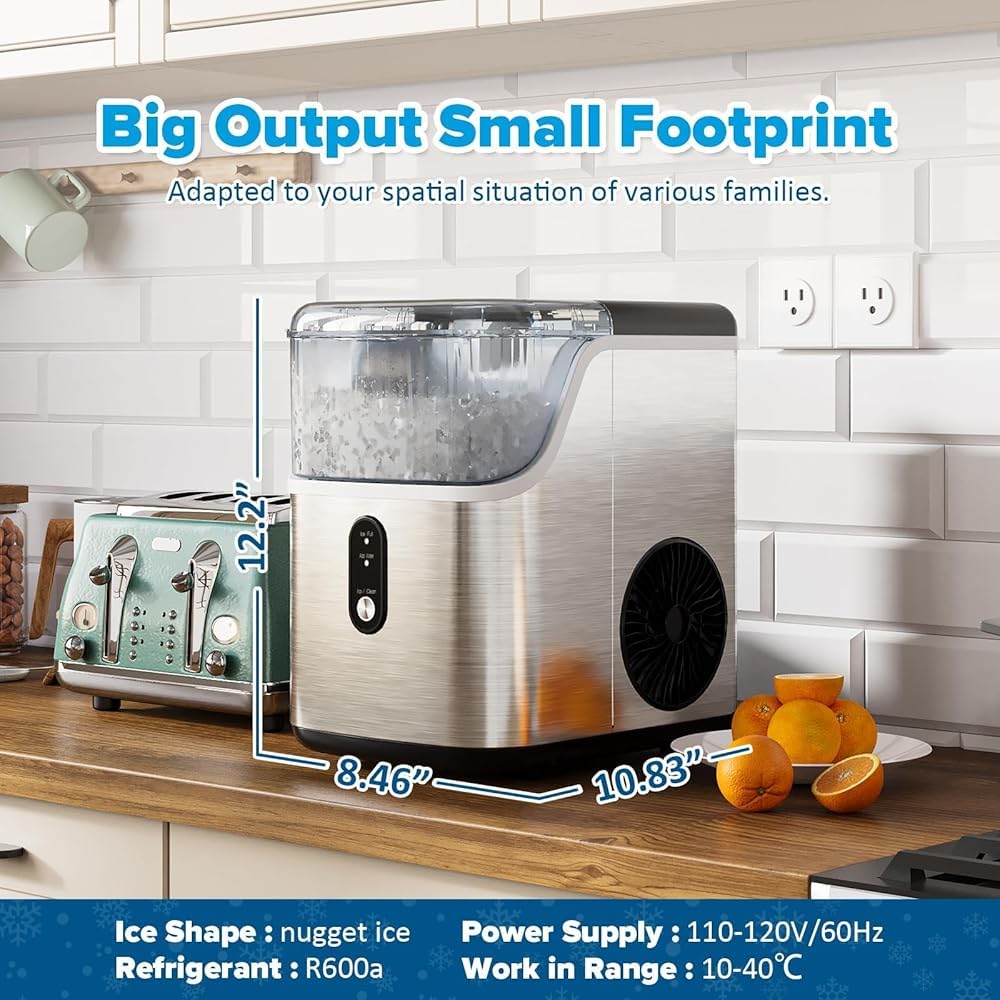
Design affects how often you actually use even the best countertop nugget ice makers. A well designed ice maker with a compact footprint, clear controls, and a visible nugget ice bin invites daily use, while a bulky ice machine that blocks cabinets or splashes water quickly becomes annoying. Measure your available countertop depth and height carefully before you shop, especially if you plan to place the maker countertop unit under wall cupboards.
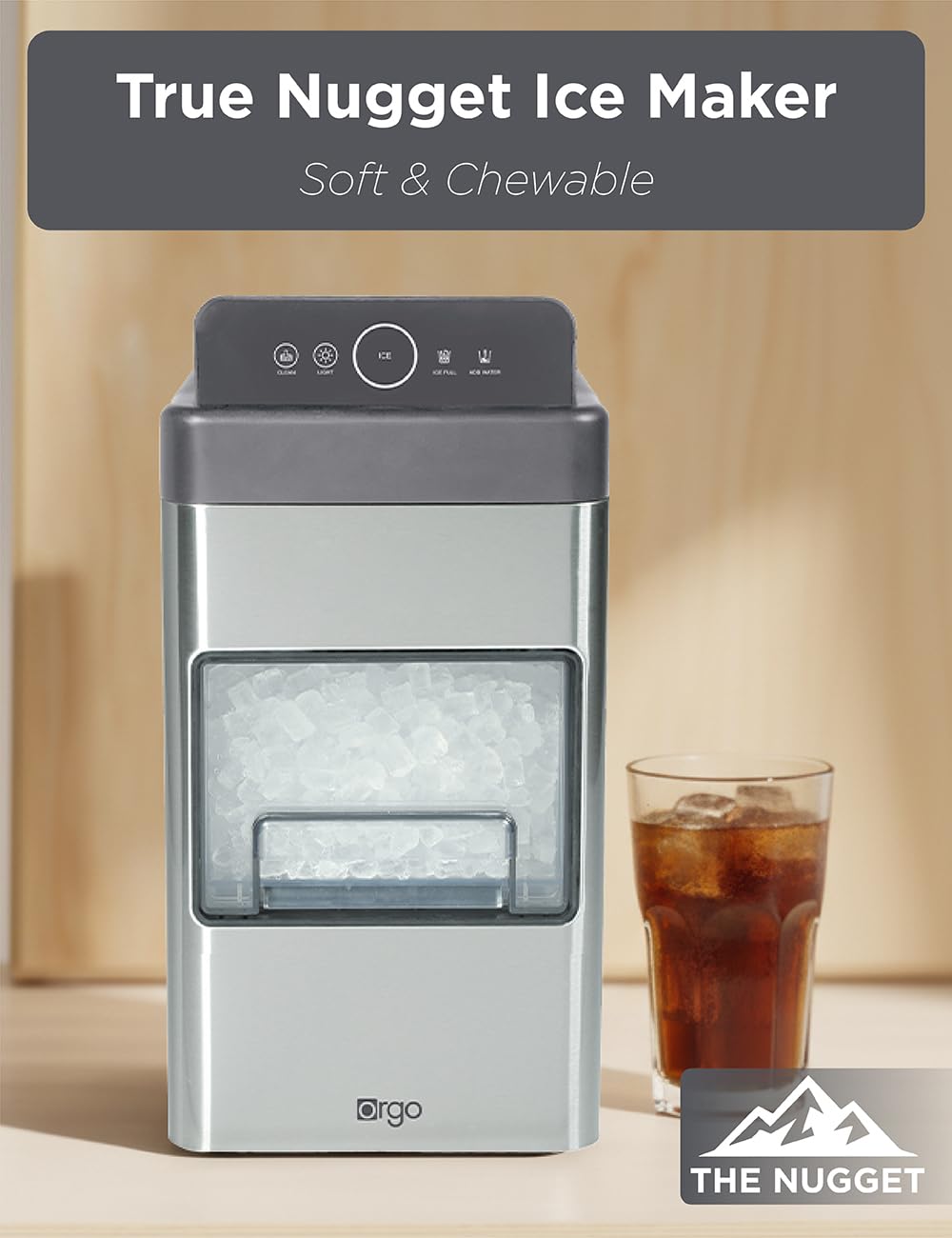
Build quality shows in materials and detailing. Premium ice makers often use stainless steel panels, solid feeling buttons, and a sturdy side tank connection, while cheaper portable ice machines rely on thin plastic that can yellow or crack over time. If you want a long lasting ice maker, prioritize stainless steel exteriors, reinforced hinges, and a well supported water tank, even if the regular price is slightly higher than a lightweight mini model.
Footprint also includes vertical space and ventilation. Some nugget ice makers, especially larger profile opal style units, need several centimetres of clearance at the back and sides for airflow, while a smaller opal mini or mini pro model can sit closer to a wall without overheating. When you compare maker sale offers, check the manual for ventilation requirements, because a cramped countertop can shorten the life of any ice machine and increase cleaning needs.
Comparing nugget, pellet, pebble, and bullet ice for different drinks
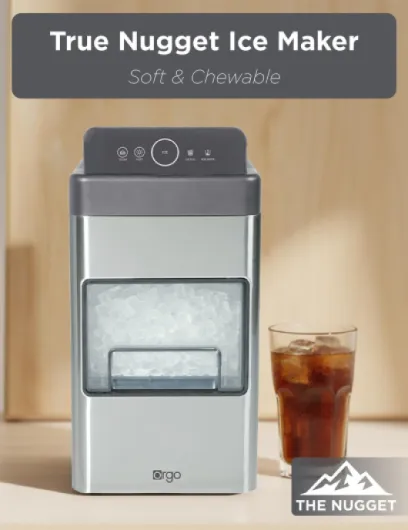
Not all ice from the best countertop nugget ice makers feels the same in the glass. Classic nugget ice and pellet ice are soft, chewable, and full of tiny air pockets, while pebble ice tends to be slightly firmer and bullet ice from many portable ice machines is dense and slow melting. If you love iced coffee or cold brew, the softer nugget ice or pellet ice cools drinks quickly without overwhelming delicate flavours.
Cocktail enthusiasts often mix ice types for different recipes. A stainless steel ice maker that produces nugget ice can handle tall highballs and tiki drinks, while a separate spherical ice ball maker, such as those discussed in this guide on choosing the right spherical ice ball maker for refined home cocktails, is better for spirit forward pours. Bullet ice from a compact mini machine works well for everyday soft drinks, but it will not replicate the bar style texture of true nugget ice or pebble ice in a premium cocktail.
Think about how your household actually uses ice during a typical day. If most of your drinks are water, juice, or family friendly sodas, a versatile ice maker that can switch between bullet ice and softer nugget ice may be ideal, while a dedicated nugget ice machine suits serious coffee and cocktail fans. The best countertop nugget ice makers often justify their higher price by replacing frequent ice shop visits and by elevating home drink quality to hospitality standards, as explored in this analysis of how craft ice standards are reaching the home kitchen.
Key brands and models: opal, euhomy, and profile opal families
Among the best countertop nugget ice makers, the GE Profile Opal series remains a reference point. The original profile opal ice maker brought chewable nugget ice to the kitchen countertop, and later versions such as the opal ultra and opal mini refined the design with quieter operation, smarter controls, and optional side tank accessories. When you compare regular price versus sale price, consider not only capacity but also long term reliability and availability of replacement filters.
The compact opal mini and the even smaller opal mini pro target buyers with limited space. These mini machines still deliver genuine nugget ice, but their countertop footprint and water tank volume suit apartments, offices, or secondary coffee stations, and they often pair well with portable ice units for overflow needs. For a detailed look at how the opal mini fits where earlier models could not, review this article on the launch of the GE Profile Opal Mini nugget ice maker.
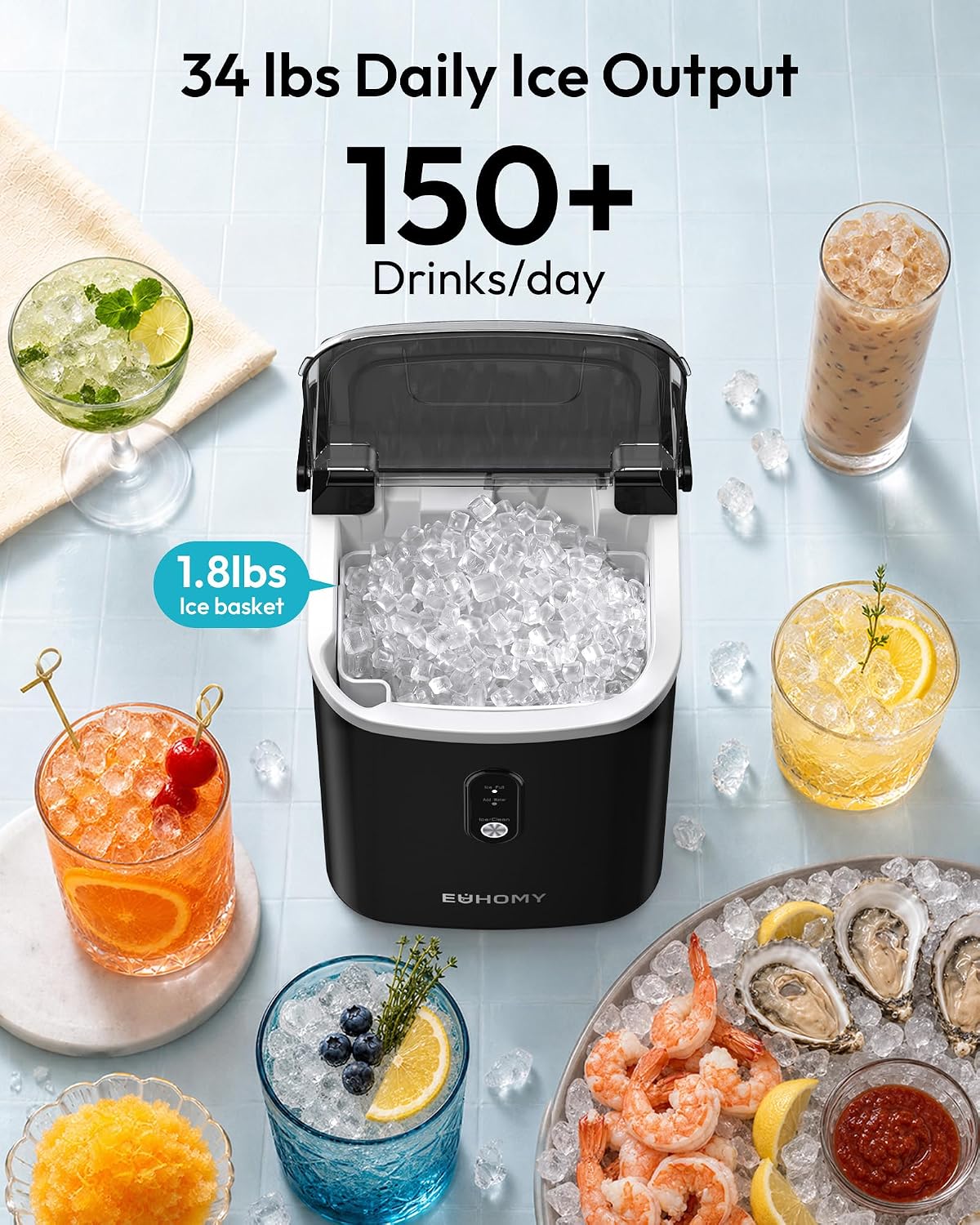
Brands such as Euhomy compete strongly on value. An euhomy countertop ice maker may combine stainless steel panels, a generous side tank, and both bullet ice and nugget ice modes at a lower price than some profile opal units, making these machines attractive during any maker sale event. When comparing euhomy models with GE Profile Opal or opal ultra machines, weigh the difference in build quality, warranty support, and cleaning convenience, not just the headline price or kilograms of ice per day.
Water quality, filtration, and cleaning routines for nugget ice makers
Water quality directly shapes the taste and clarity of ice from any countertop ice machine. Hard water leaves mineral deposits inside the ice maker, while heavily chlorinated water can give nugget ice an unpleasant flavour that spoils iced coffee or tea. Using filtered water in both the main tank and any side tank reduces scale buildup, improves taste, and extends the life of stainless steel components.
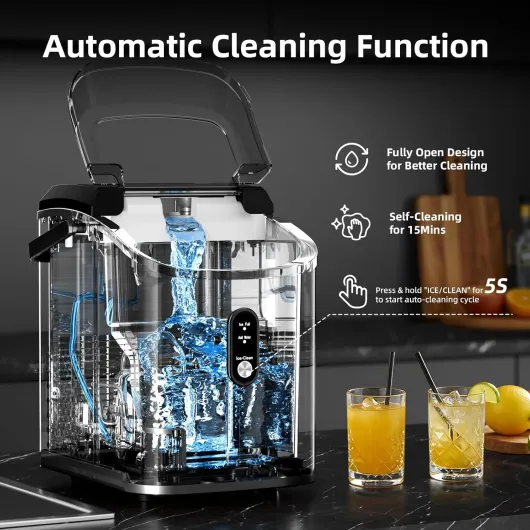
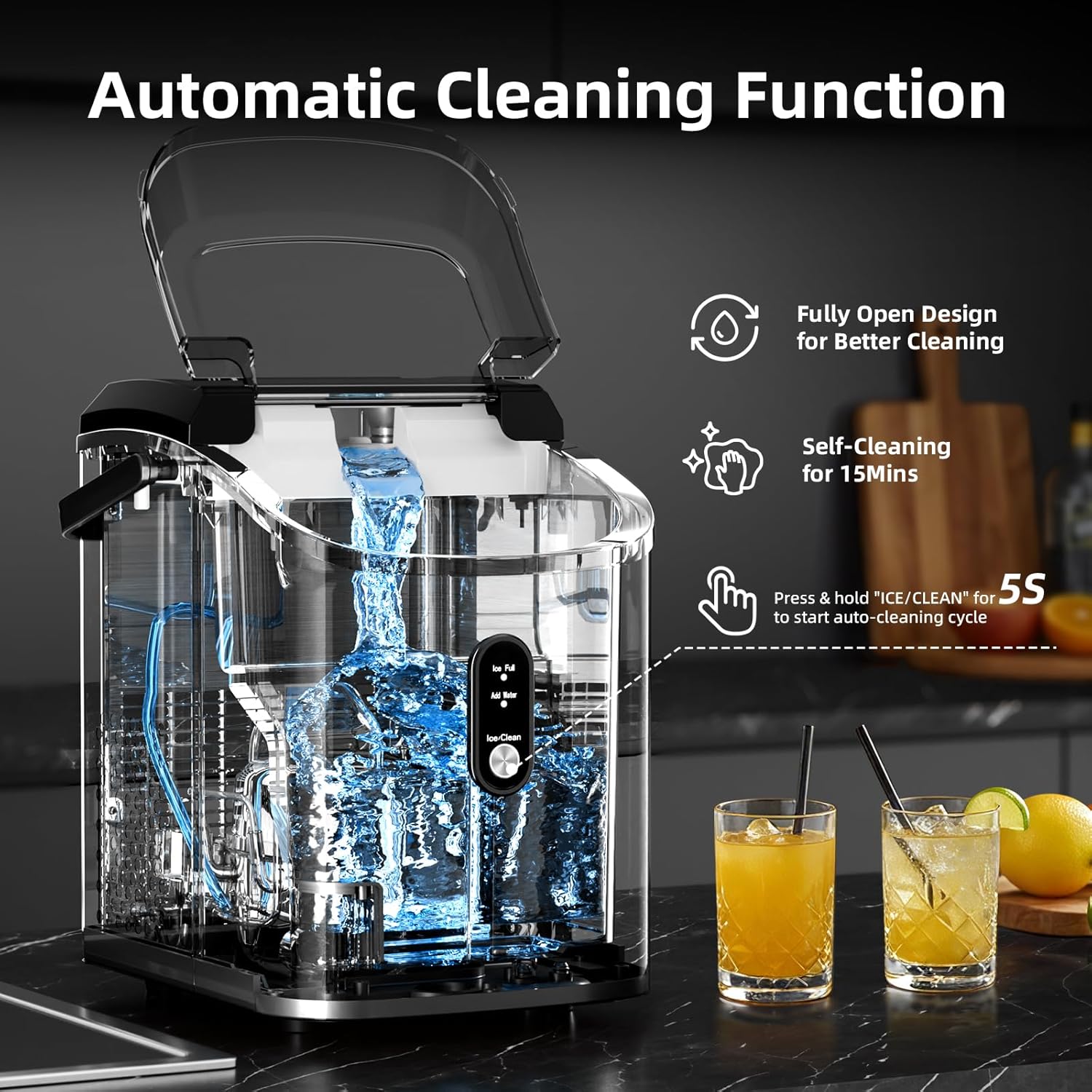
Cleaning routines should be planned before you buy. The best countertop nugget ice makers offer dedicated cleaning cycles, removable water filters, and accessible internal surfaces, while cheaper portable ice machines may require more manual scrubbing of the tank and bullet ice chute. Aim to run a cleaning cycle at least once per month if you use the machine every day, and more often in areas with very hard water or heavy coffee and cocktail use.
Exterior maintenance also matters for hygiene and appearance. Stainless steel and stainless panels resist staining better than plain plastic, but they still benefit from a quick wipe with a soft cloth and mild detergent, especially around the maker countertop controls and ice bin handle. Regular cleaning of the ice scoop, drip tray, and any silicone gaskets keeps both nugget ice and bullet ice tasting fresh, while also preserving the premium look of your ice makers over many years.
Budget, price tiers, and when to upgrade your ice machine
Budget planning helps you navigate the crowded market of the best countertop nugget ice makers. Entry level portable ice machines that produce bullet ice often start at a modest price, while mid range nugget ice makers with stainless steel exteriors and side tank options sit in a higher tier, and flagship profile opal or opal ultra models command a premium. When comparing regular price and sale price, consider not only the initial cost but also filter replacements, cleaning solutions, and electricity use over several years.
Upgrading from a basic bullet ice maker to a dedicated nugget ice machine makes sense when your habits change. If you now drink iced coffee daily, host frequent gatherings, or have invested in a serious home bar, the softer texture of nugget ice or pebble ice will noticeably improve both flavour and presentation, especially in tall drinks and tiki style cocktails. In such cases, a maker sale event can be the right moment to step up to a stainless steel countertop ice unit with a larger tank and smarter controls.
Think of your ice makers as part of a broader beverage system. A compact mini or mini pro unit might live near a coffee station for quick iced coffee, while a larger profile opal machine with a side tank anchors the main kitchen, and a small portable ice maker travels to the patio on hot days. Matching each ice machine to a specific role ensures you get full value from every maker countertop purchase, while keeping water, cleaning, and maintenance routines manageable.
Statistics: key figures about countertop nugget ice makers
- Typical countertop nugget ice makers for home use produce between 12 and 20 kilograms of ice per day, which comfortably supports a household of four plus occasional guests according to manufacturer specifications from major brands.
- Independent lab tests published by Consumer Reports have shown that nugget ice melts around 15 to 25 percent faster than dense cube or bullet ice, which explains why it chills drinks quickly but may require slightly more ice per glass.
- Energy Star data for compact refrigeration appliances indicate that modern efficient compressors can reduce electricity consumption by roughly 10 to 15 percent compared with older ice machine designs of similar capacity.
- Surveys from large appliance retailers report that more than half of buyers who choose a stainless steel or stainless fronted ice maker cite ease of cleaning and long term appearance as primary reasons for paying a higher price.
- Customer review analysis from major online shops shows that models with integrated self cleaning cycles receive on average 0.3 to 0.5 higher star ratings than comparable machines without automated cleaning functions.